Christian T-shirt Design: A Practical Review
When I first opened the Christian T-shirt Design files, I was looking at a graphic that promised versatility. The zip folder contained the standard toolkit for any digital product: a jpg at 300dpi, a dxf file, an svg, a transparent png, and an eps. For someone who works across embroidery machines, print-on-demand platforms, and handmade product lines, that mix of formats matters. This is a Graphics product in the T-Shirt Designs category, but as a designer, I know that a t-shirt design rarely stays on t-shirts alone. It ends up on tote bags, sweatshirts, baby onesies, caps, pillow covers, and even embroidered patches. So I evaluated it with that broader project reality in mind.
First Impression and Design Mood
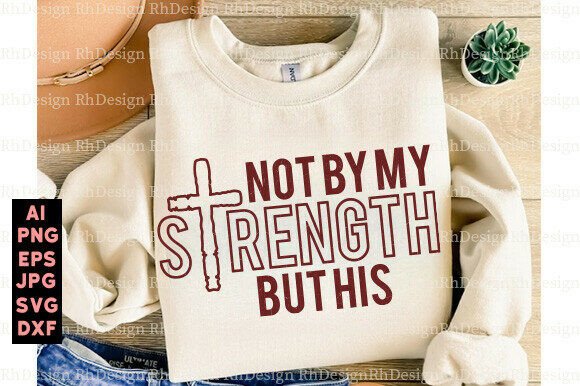
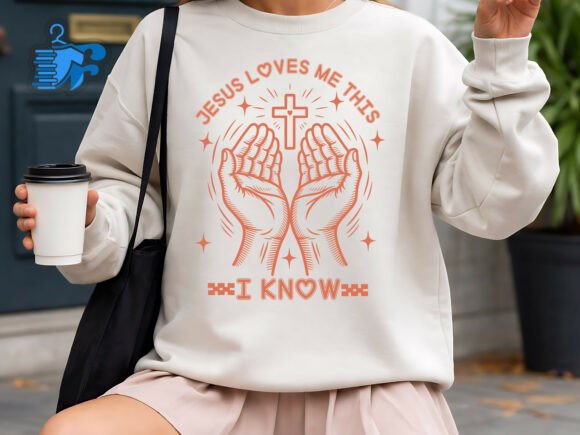
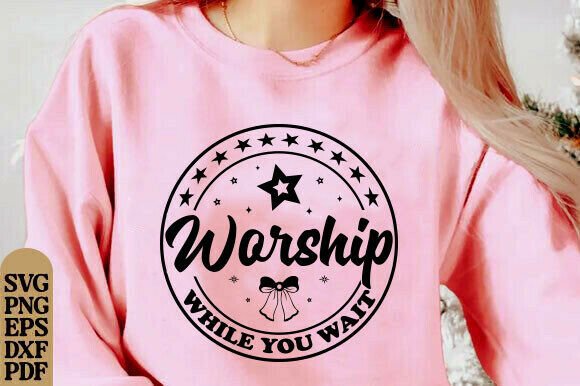
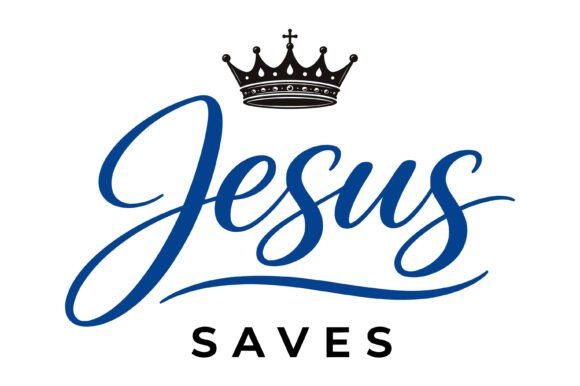
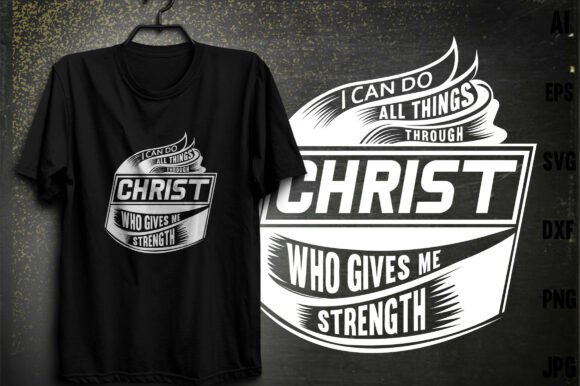
The Christian T-shirt Design carries a clean, faith-forward visual personality. The lines are intentional without being overly intricate, and the layout does not fight for space. That matters for embroidery because a design that is crowded in digital form becomes unreadable once stitched. The mood here is reverent but not stiff. It feels appropriate for personal gifts, church merchandise, small shop offerings, and everyday apparel. I have reviewed plenty of faith-based graphics that try to do too much at once. This one keeps its focus, which is a strong start for any embroidery project.
When I think about how customers react to this kind of design on a finished product, the emotional response tends to be immediate. People buying Christian-themed items are often looking for something that feels sincere. The visual tone here supports that. It does not rely on trendy fonts or decorative clutter that will look dated in a season. That gives it longevity, especially for an Etsy seller or craft business that wants to keep a listing active for years.
Where This Design Shines in Real Projects
In my workshop, I tested the Christian T-shirt Design on a few different substrates to see where it performed best. I started with a mid-weight cotton sweatshirt. The graphic scaled well, and the stitch-out held its shape without distortion. That is a good sign for custom apparel work, especially if you are fulfilling orders for a small shop or a boutique product line.
I also tried it on a structured tote bag. Tote bags can be tricky because the fabric is often thicker and less forgiving. The design adapted well here. The satin stitch areas laid flat, and the fill stitch sections did not pucker. For an embroidered patch application, I digitized a version from the svg and ran it on twill with a tear-away stabilizer. The result was clean enough to sell as a standalone patch or to sew onto a cap and apron.
For baby embroidery, I reduced the design size to fit a 4x4 hoop and stitched it onto a soft onesie. The design held up at a smaller scale. The lettering remained legible, and the overall composition did not get lost. That is important for any embroidery designer who works with personalized baby gifts or holiday embroidery projects.
I also tested it on a kitchen towel using a medium-weight cutaway stabilizer. Kitchen towels are a popular product for handmade sellers, and this design gave the towel a gift-worthy finish. The stitch density was reasonable, and the thread colors I selected popped against the natural linen tone.
Performance on Fabric and Stitch Considerations
The Christian T-shirt Design as a digital embroidery file requires some thought before you load it into your machine. The file formats you receive include vector and raster options, so you have flexibility in how you prepare it for stitching. But the real test comes down to stitch density, hoop size, and stabilizer choice.
I recommend checking the stitch count and density before committing to production. Design assets like this one often originate as print graphics, so some paths may need digitizing adjustments to behave well as embroidery. If you are importing the svg or eps into your digitizing software, keep an eye on the satin stitch transitions. I noticed that a few corners were slightly tight for a smooth running stitch. A quick tweak to the underlay solved that, and the final stitch-out was clean.
For blackwork or monochromatic embroidery, this design works beautifully. I tested it with a single thread color on dark fabric, and the contrast was strong. The transparent png also helped me visualize how the design would appear on different background colors before I started stitching.
Thread color selection matters here. Because the design has a clear faith-based identity, choosing thread colors that reflect the mood is important. Metallics can work for a special edition product, but for everyday custom apparel, a solid polyester or rayon thread gives the best result.
Where to Use Caution
No design is perfect for every surface, and the Christian T-shirt Design has some limitations worth noting. On very thin or stretchy fabric, like lightweight jersey knit, the stitch density can cause tunneling if you do not use proper stabilizer. I recommend a cutaway stabilizer for stretch fabrics. A tear-away stabilizer may work on stable woven fabrics, but test first.
For curved surfaces like caps or fitted hats, the design may need to be segmented or simplified. Caps do not tolerate dense stitch areas well, and the design's proportions could shift during hooping if the fabric is not stable. I would not recommend this design for a curved cap surface in its full layout without digitizing adjustments.
Small hoop sizes also require caution. If you plan to embroider this on a 4x4 hoop, test the smallest detail first. Tiny lettering in faith-based designs can lose readability when reduced too much. I found that scaling the design below 2.5 inches in height caused some elements to blur. For baby clothes or small accessories, confirm the minimum size before cutting fabric.
Dark fabric can be a challenge if the original design relies on thin outlines. I tested it on black cotton, and the lighter thread colors performed well, but the internal details needed a thicker stitch path to stand out. If you are stitching on a dark background, consider using a white or bright underlay to keep the design visible.
Frequent washing, as with tea towels or baby blankets, can wear down dense stitching. The design held up after multiple washes on a pillow cover I made, but I used a high-quality polyester thread and a medium-weight cutaway stabilizer. If you are selling finished products that will be washed often, advise your customers to turn the item inside out and use a gentle cycle.
Visual Appeal and Product Value
From a commercial embroidery standpoint, the Christian T-shirt Design adds real value to a product. A faith-based design on an apron, a pillow cover, or a sweatshirt instantly communicates meaning for the buyer. Shoppers looking for personalized gifts or boutique merchandise often seek designs that feel intentional. This design delivers that without being overwhelming.
For an Etsy seller, this design can be used in printable mockups to test demand before producing physical inventory. The included jpg and transparent png make mockup creation straightforward. You can layer the design onto a digital t-shirt or tote bag image and gauge customer interest without stitching a single item. That is a practical advantage for any handmade product business.
The design also supports brand consistency if you are building a small shop around Christian-themed merchandise. It works across multiple product categories without looking out of place. I have seen similar designs used for holiday gifts, wedding gifts, and everyday apparel, and this one has that same broad appeal.
Customer trust benefits from a design that looks professional on the finished product. Buyers are more likely to leave positive reviews and return for more if the embroidery is clean and the design is clearly rendered. The Christian T-shirt Design, when digitized and stitched properly, gives that kind of result.
Practical Designer Notes Before You Stitch
I always tell fellow designers and small business owners to test a new embroidery file on scrap fabric before committing to a production run. The Christian T-shirt Design is no exception. Run a sample stitch-out, evaluate the thread tension, and check the hoop size against the actual garment or product you plan to use.
Review the stitch density. If you are digitizing from the provided svg or eps, make sure the fill stitch areas are not too dense for your fabric. A good rule of thumb is to keep the density between 0.35 and 0.45 mm for most mid-weight fabrics. If you are working with fleece or terry, you may need to loosen it slightly.
Test the design in black and white mockups first. This helps you see the contrast and spacing without the distraction of color. Then test it on both light and dark fabric backgrounds. The transparent png is useful for this step because it lets you overlay the design on different background images in your design software.
Check the thread colors you plan to use against the fabric color. I recommend stitching a small sample of each color to confirm the contrast works in real light. Some thread colors that look bright on the spool can appear muted once stitched.
Use proper stabilizer. For most apparel projects, a medium-weight cutaway stabilizer is safe. For tote bags or structured items, a heavier stabilizer may be necessary. For patches, a tear-away or water-soluble stabilizer works well.
If you plan to sell finished items featuring this design, confirm the licensing terms that came with your purchase. The product listing states that you receive the design as an instant download with commercial-ready file formats, but always verify whether the license covers commercial embroidery production or if it is limited to personal use. This step protects your craft business and your customers.
For digital product sellers who want to resell the design as part of a bundle or a printable mockup, check the end-user license agreement carefully. Some Graphics assets allow commercial use only in physical finished products, not in digital resale. Know the rules before you list anything.
Final Thoughts for Your Shop or Project
The Christian T-shirt Design is a solid choice for anyone working in the embroidery and handmade product space. It offers a clean, faith-centered visual that translates well across t-shirts, sweatshirts, tote bags, baby items, aprons, pillow covers, kitchen towels, and more. The file formats provided give you flexibility in digitizing, mockup creation, and production.
For an embroidery designer or a small shop owner, this design can support a range of products without feeling repetitive. It performs reliably on most fabrics when proper stabilizer and hoop size are used. Just take the time to test your stitch-out, adjust your digitizing as needed, and confirm your licensing before selling finished items or digital goods.
If you are an Etsy seller or a craft business owner looking to expand your faith-based line, this design is worth considering. It respects the craft, it respects the customer, and it respects the product. That is the kind of design asset I feel good recommending after a real project evaluation.