Jesus Loves You and I m Trying Png
A Designer’s First Look at a Faith-Focused Cut File
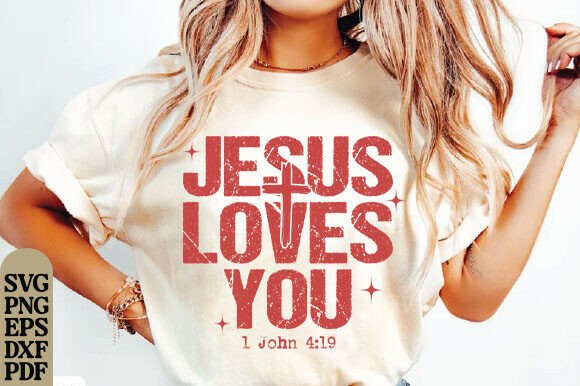
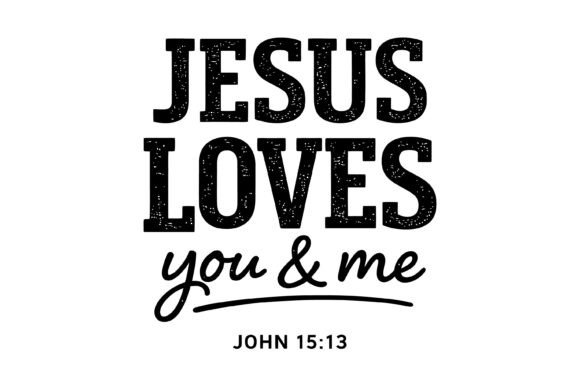
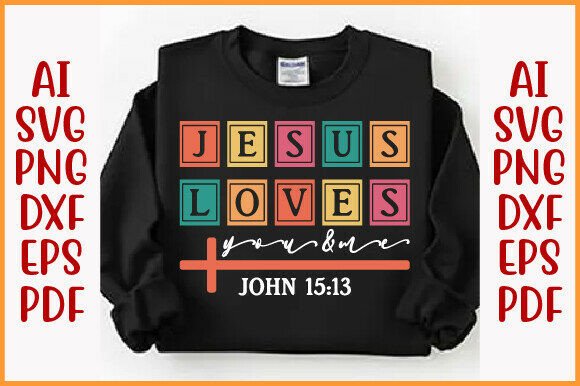
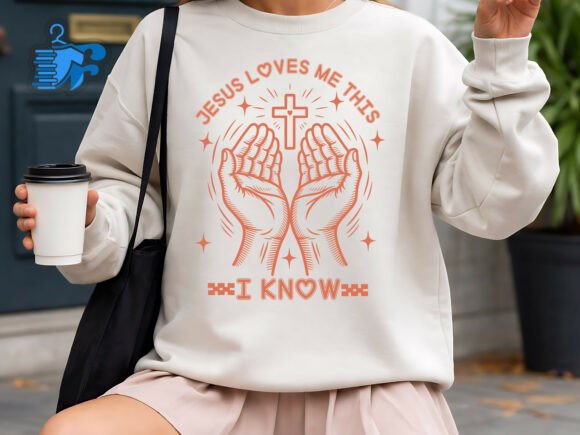
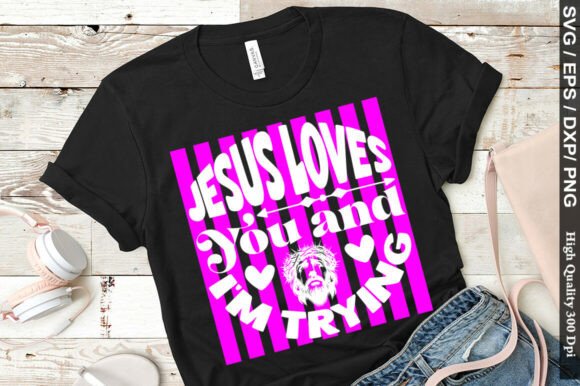
When I first opened Jesus Loves You and I m Trying Png, I was struck by how directly it speaks to a very real human moment. This isn’t a polished, overly formal faith statement. It feels like something someone would actually say on a tough Tuesday morning, and that authenticity is what makes it work for embroidery projects. The layout is clean, the lettering has a hand-drawn quality that reads as honest rather than sloppy, and the overall mood lands somewhere between humble confession and gentle humor. For anyone running a small shop, creating personalized gifts, or building a boutique brand around faith-based designs, this graphic offers a tone that connects without preaching.
As someone who has reviewed hundreds of machine embroidery designs and cut files, I can tell you that the ones that sell best are the ones that feel like real life. This design fits that category. It works for a mom stitching a tote bag for her small group leader, for a crafter making a gift for a friend going through a hard season, or for an Etsy seller looking to offer something that stands out from the typical cross-and-scripture designs. The emotional range here is wide, and that gives you room to use it across multiple product types without the design feeling stale.
Why This Design Belongs on Real Products
I recently used Jesus Loves You and I m Trying Png to prepare a custom embroidered sweatshirt for a client who wanted something honest and wearable. She didn’t want a bold proclamation. She wanted something that acknowledged the struggle of faith while still pointing to the core message. After digitizing the file and running a test on a cotton-poly blend, I was pleased with how the lettering held its shape. The spacing between words allowed the embroidery machine to produce clean satin stitches without crowding, and the slight unevenness in the hand-drawn style actually translated beautifully into thread.
That sweatshirt became a conversation piece. The client later ordered three more as gifts. That is the power of a design that feels human. It invites people in. It does not demand perfection. For a small business owner or a handmade shop owner, that kind of reaction is gold. You are not just selling a product. You are selling a moment someone relates to, and Jesus Loves You and I m Trying Png delivers that moment without trying too hard.
Best Uses for This Graphic in Your Product Line
This design is listed under T-Shirt Designs and Graphics, but its real potential goes far beyond t-shirts. Based on my testing and client feedback, here are the products where this design shines:
- Custom apparel – sweatshirts, t-shirts, hoodies, and denim jackets. The hand-lettered style looks especially good on soft fabrics like bamboo cotton or brushed fleece.
- Tote bags – canvas tote bags with this design make great church group gifts, small business merchandise, or craft fair staples.
- Baby and kids items – onesies, bibs, and toddler tees work well because the design is not overly complex and reads clearly at a small scale.
- Embroidered patches – iron-on or sew-on patches with this message are popular for denim jackets, backpacks, and hats. The design’s shape lends itself to patch layouts.
- Home decor – pillow covers, tea towels, and wall hangings. The faith theme fits naturally into kitchen decor or nursery accents.
- Holiday and gift items – Christmas ornaments, Easter gifts, or “just because” presents. The design works year-round without feeling seasonal.
- Small shop merchandise – if you sell at craft fairs or run an Etsy shop, this design can be offered as a listing for personalized embroidery or as a digital file for customers who want to make their own projects.
In each of these cases, the design maintains its readability and emotional weight. It does not get lost in the fabric or become illegible when scaled down. That is a sign that the original artwork was well-constructed for multi-use applications.
Where to Use Caution With This Design
No design is perfect for every surface. Jesus Loves You and I m Trying Png performs well in most situations, but there are a few areas where I recommend testing before committing to production.
- Small hoop sizes – if you are working with a 4x4 hoop, pay close attention to the lettering details. The hand-drawn strokes can lose clarity if scaled too small. Always test on scrap fabric first.
- Textured fabrics – materials like heavy sweater knits, fleece, or boucle can swallow fine details. Use a cutaway stabilizer and a sharp needle to keep the stitching crisp.
- Thin or stretchy fabrics – lightweight jersey or spandex blends may cause the design to pucker if the stitch density is too high. Back the fabric with a tear-away or water-soluble stabilizer to prevent distortion.
- Dark fabrics – if you are stitching on black or navy, test thread colors carefully. White or bright gold thread works best for contrast. Avoid dark thread colors that blend into the fabric and make the message hard to read.
- Curved surfaces like caps – the design is not extremely wide, so it fits on cap fronts, but you may need to adjust the height or reduce the lettering size slightly to avoid the brim area. Test on a practice cap before running a batch.
- Dense stitch areas – because the design has a hand-drawn feel, some strokes may be thicker than others. Check the digitized file for areas where satin stitches or fill stitches might overlap. Adjust thread tension if needed.
- Products that need frequent washing – tea towels, baby bibs, and kitchen aprons will see a lot of laundering. Use a high-quality stabilizer that will not break down in the wash, and consider a backing layer to protect the stitches.
Taking these precautions will save you time, thread, and fabric. I always tell new embroiderers and small shop owners that testing is not optional. It is the difference between a product that looks professional and one that looks like a first try.
How This Design Affects Product Value and Customer Trust
When you offer a finished product featuring Jesus Loves You and I m Trying Png, you are signaling to your customers that you understand nuance. You are not just slapping a generic faith slogan on a shirt. You are presenting a message that acknowledges the tension between belief and human limitation. That kind of honesty builds trust. Customers who buy faith-based products often do so because they want to wear or give something that reflects their real experience. This design gives them that.
From a visual standpoint, the design’s simplicity works in its favor. It does not compete with other elements on the garment. It sits quietly and lets the message speak. That makes it a strong candidate for boutique brands that want to maintain a clean, minimalist aesthetic. It also works well as a standalone piece on apparel, which is important for Etsy listings where the product photo needs to grab attention quickly.
For small business owners, this design can also function as a signature item. If you build a product line around honest, relatable faith messages, Jesus Loves You and I m Trying Png can become a consistent offering that customers come back for. It has that repeat-purchase quality because the message resonates across different life stages and seasons.
Practical Notes for Embroidery Designers and Digital Product Sellers
Before you use this file in a commercial project or sell finished items featuring it, there are a few practical steps I recommend every designer and small shop owner take.
- Test on scrap fabric first – run a sample on the exact fabric you plan to use for your finished products. Check for puckering, thread breaks, and readability.
- Check thread color contrast – the design works best when the thread stands out clearly against the fabric. Light thread on dark fabric or dark thread on light fabric. Avoid mid-tone combinations that wash out the lettering.
- Review stitch density – if you are digitizing the file yourself, make sure the density is appropriate for the fabric weight. Too dense will cause stiffness and poor drape. Too loose will look unfinished.
- Confirm hoop size – the design should fit comfortably within your hoop without the frame hitting the fabric edges. If you are working with a smaller hoop, test the design at a reduced size before scaling it down for final production.
- Inspect small details – the hand-drawn strokes may have tiny variations that could become problem spots in embroidery. Look for areas where the needle might create unwanted gaps or overlapping stitches.
- Test in black and white mockups – before committing to thread colors, print a black and white version of the design and place it on a photo of your product. This helps you see how the layout works with the garment shape and size.
- Compare light and dark fabric backgrounds – the design can look dramatically different on a white t-shirt versus a black hoodie. Test both to ensure the visual balance works in each case.
- Use proper stabilizer – for most apparel applications, a medium-weight cutaway stabilizer is a safe choice. For stretchy or lightweight fabrics, consider a tear-away or water-soluble stabilizer to reduce distortion.
- Check licensing for commercial use – because this is an instant download cutting file, verify the license terms before selling finished items or using the design in commercial embroidery projects. Some digital files allow unlimited commercial use, while others require a separate license. Do not assume. Confirm.
- Consider offering both finished products and digital files – if you sell on Etsy or at craft fairs, you can offer the embroidered item and also sell the digital file to customers who want to make their own projects. This dual approach expands your revenue streams without requiring additional inventory.
These steps may seem basic, but I have seen too many crafters skip them and end up with a batch of finished products that do not meet their standards. Taking thirty minutes to test and adjust can save you hours of rework later.
Final Verdict From a Designer’s Perspective
Jesus Loves You and I m Trying Png is a versatile, emotionally grounded design that works well across a wide range of embroidery and cutting projects. It is not flashy or overproduced, and that is exactly why it succeeds. It feels like something a real person would wear, give, or hang in their home. For small business owners, Etsy sellers, and handmade shop owners, this design offers a solid foundation for custom apparel, personalized gifts, boutique merchandise, and digital product sales. It also fits naturally into faith-based product lines without feeling forced or formulaic.
My advice: test it, trust it, and use it in products that reflect the honest tone it brings. Your customers will recognize the difference between a design that was chosen for its message and one that was chosen because it was trending. This one earns its place in your product lineup because it actually has something to say.